
Our Approach to Digital Asset Ownership
Over 2021 and 2022, there was a lot of hype and investment followed by a lot of fear, uncertainty and doubt when it comes to digital assets and web3 games. Here at Roboto Games we believe that, if done right, digital asset ownership can improve the experience of playing free to play games. Read on for more thoughts.
For those not into lengthy blog posts here is a quick summary:
Games have to be fun first and give players who play for free and do not own any assets some awesome gameplay to keep them coming back. Without a great game, nothing else matters.
Most of the criticisms around NFTs, tokens, and current crypto games are valid, but will can be addressed with technology, UX and regulation.
Digital asset ownership and web3 elements can be a good addition to the fun of a game if they are optional. We are focused on making games that are fun without owning anything, and then adding digital assets that players will enjoy collecting and playing with.
User Generated Content combined with the data permanence of web3 technology can help games and their assets last forever. This last point is often overlooked and one we think is quite promising.
Crypto criticism

There have been a lot of criticisms of crypto games both from the game development industry and from players, with valid cause. The main criticisms published about web3 to date are the following:
Environmental impact: Blockchain-based technology may be extremely energy intensive and harm the environment
Scams: There are a lot of scams and Ponzi schemes in web3
Bad user interaction: The technology has many rough edges which add a lot of risk and confusion when dealing with valuable assets
Crypto games aren’t fun: Most of the existing web3 games are not as fun to play as their web2 counterparts
A technology in search of a problem: Everything you can do with web3 you can do with existing technology
We believe that these criticisms are all valid, but we also believe that these criticisms are solvable. Let’s discuss the first 3 of these criticisms.
Proof of Stake chains make energy consumption very small and, for certain blockchains, a given transaction uses less energy than paying with a Visa card [1,2,3]. If you choose the right technology, the environmental impact is minimal with some chains being net zero in their energy use.
Scams and Ponzi schemes are sadly all too common in web3. We support legislation to punish bad actors and believe things will improve as governments catch up with the technology. Unfortunately, this will likely be the slowest aspect to get better.
User Experience design around web3 is indeed terrible, but will continue to improve along with the underlying technology. For our players, we want to make the experience as seamless and painless as possible. Ultimately, we believe that things will work so seamlessly that players shouldn’t need to know or care what technology is under the hood.
To address the last two critiques, let’s dive into Roboto Games’ approach to making multiplayer games that are Free to Play (F2P) and also include optional digital asset ownership.
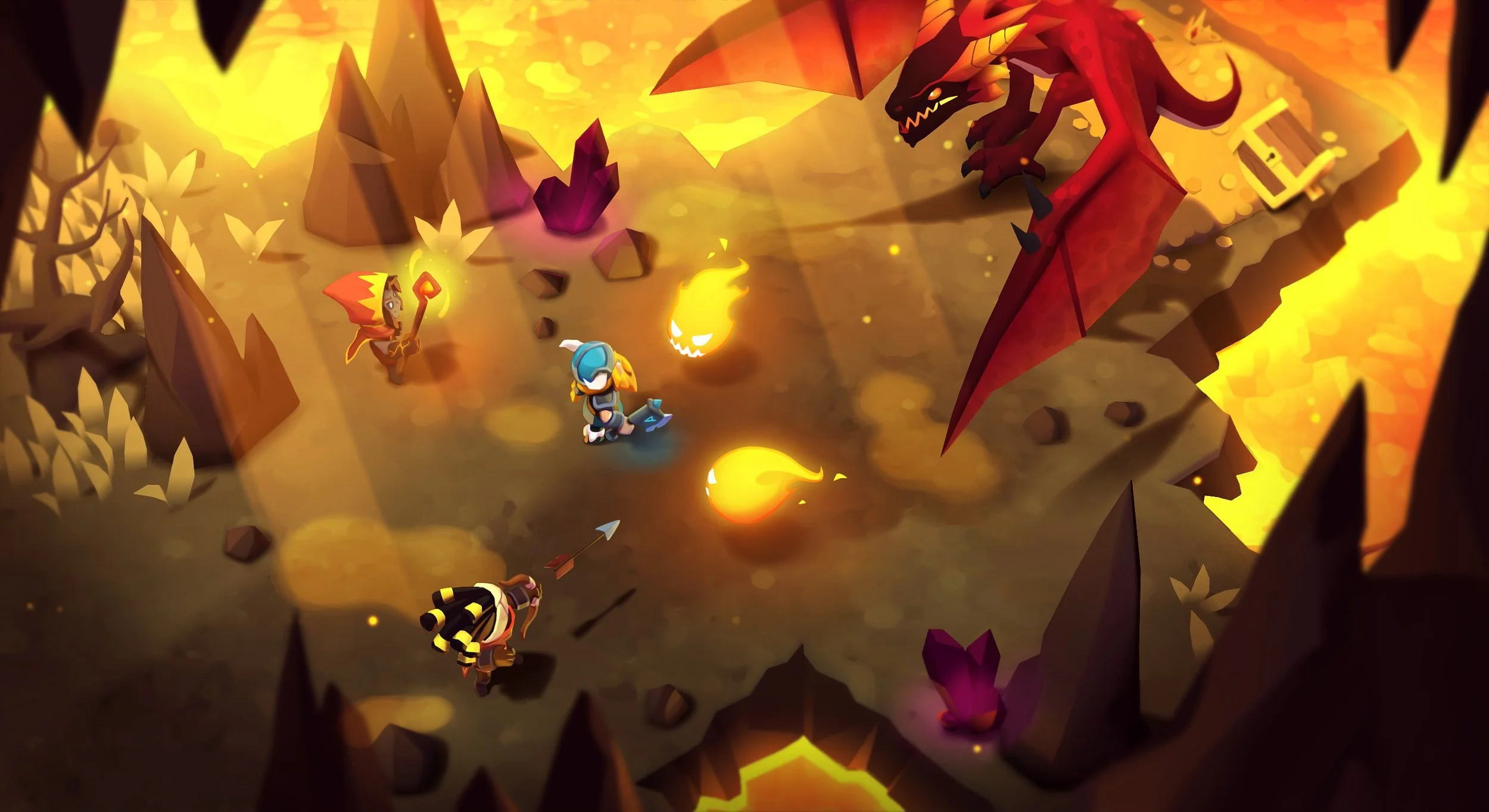
If you don’t have a fun game, you have nothing.
Make a fun game first
Many of the early games in the web3 space became successful on top of financial speculation with early insiders and early players making money at the expense of players joining later on. However, as the crypto markets have entered yet another winter, financial speculation won’t keep games alive and it won’t keep players coming back over the long term.
That’s why we are building a fun game for our target audience first and foremost. We know we need a game that is fun on its own without any speculative financial motivation if we want to build lasting success. For those who are more business minded we strongly link fun to great retention. This isn’t news to experienced game developers, fun is the name of the game, so to speak, but this is why we are planning on making digital assets ownership completely optional.
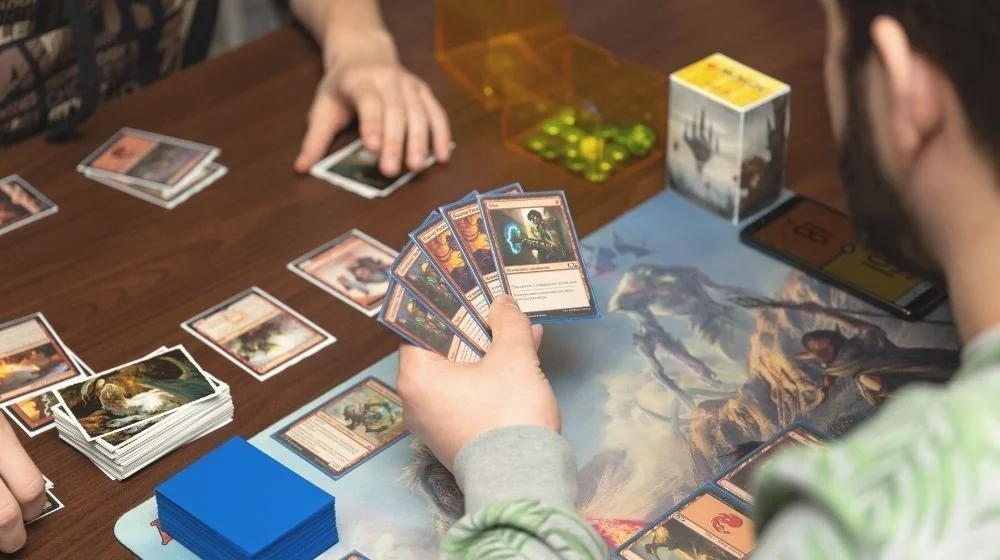
Collecting stuff for your hobby is fun.
Make digital ownership optional
We have been making Free to Play games for the past 12 years, and we’ve seen first hand how many more players will try a game if it’s free. In particular, because we make games that are good alone and great together, we don't want players to have to ask their friends to pay $30 for a premium game or $200 for a digital asset to join them. It’s hard enough for players to find time to play together and stay connected with friends without the added friction of having to pay for the experience.
We think free to play games with optional digital asset ownership can ultimately be a net positive for players. The key here is it should be an option that adds to the experience of players who want it and doesn’t detract from anyone else's experience. We see these assets similarly to how free to play games must balance the needs of players who purchase In App Purchases against those who do not. We see this as a fun new variant of an old game design problem.
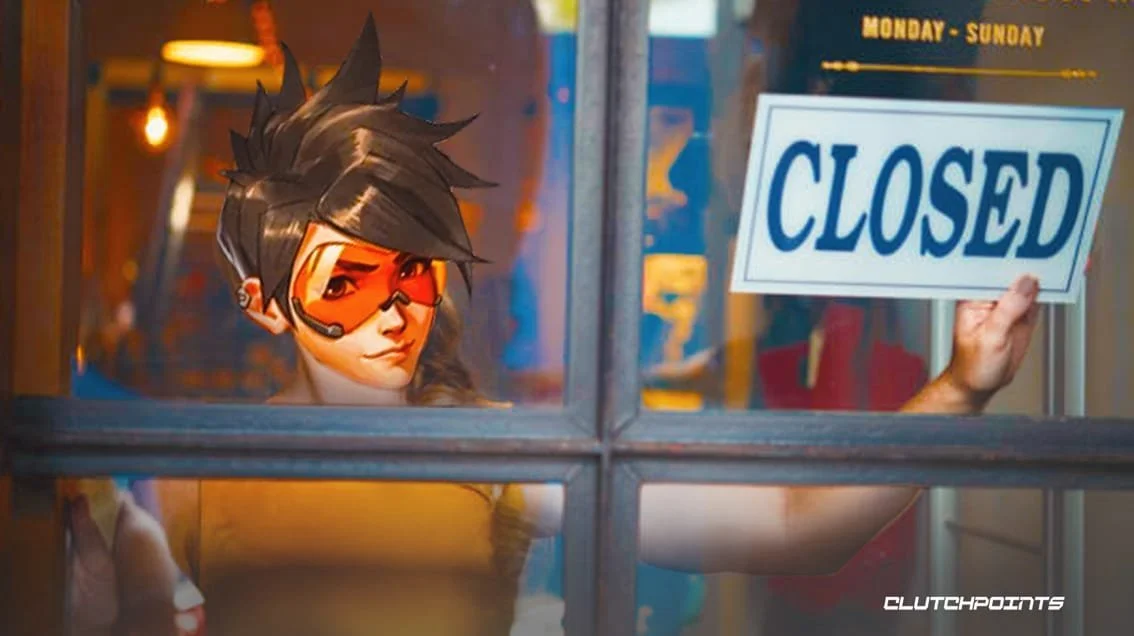
Even successful multiplayer games get shut down eventually.
Assets eternal and user generated content
Possibly the most worrisome accusation critics make of web3 technology is that, as far as games are concerned, it is a technology in search of a problem. Many benefits that web3 technology provides can be achieved using traditional servers. Web3 makes a lot of player to player trading and economic infrastructure much easier, but you could run all of this on some company's servers, as has been done since the internet was created.
That said, there is one, often overlooked, power that web3 and blockchain technology brings to game development. The promise that any data and code for a game can live longer than the person or company that created it. As long as even one computer is still connected to the network, the game data and its digital assets can live on even if the original creator no longer exists.
This data permanence also applies to user generated content and links back to the value of digital asset ownership. If an asset lasts forever, then it can retain value much like a (very durable) physical item, say a piece of jewelry. One could imagine digital heirlooms and memories being passed down, or rare and even unique collectibles being traded hundreds of years after their creation.
The lifetime of games and any user generated content (UGC) is a particularly personal problem for us as many of the games we have created in the past are no longer playable. Most successful F2P games and UGC platforms are run as a live service. Which means that after they no longer make sense to operate financially, or the underlying platform makes breaking changes, they get shut down. If you’ve ever had one of your favorite games shut down you know this pain well. Ultimately, our goal is to allow players to self host their own servers and use the blockchain as long term data storage allowing them to keep playing our games for the foreseeable future. We are also working on a modding platform for players to be able to continue creating content for our games long after we are gone. More on that in a future post.
Summing up
Ultimately, if done well, we believe that adding the option for digital asset ownership to our games will give the players who want it more choice. The long lifetime of a games’ code and data will also give much more value to owning assets than we’ve seen in the past. Allowing users to add and modify our games with user generated content will further reinforce this value.
But you know what matters more than any data permanence, or asset ownership? Making a great game that players cherish and want to keep coming back to play for years. If you make a game that players remember fondly into their old age, they’ll also show their kids who might one day love that same game.